Social innovation / Inclusive service design / SDG 2
Santal Nutrition Connect: Design an inclusive last mile for nutrition
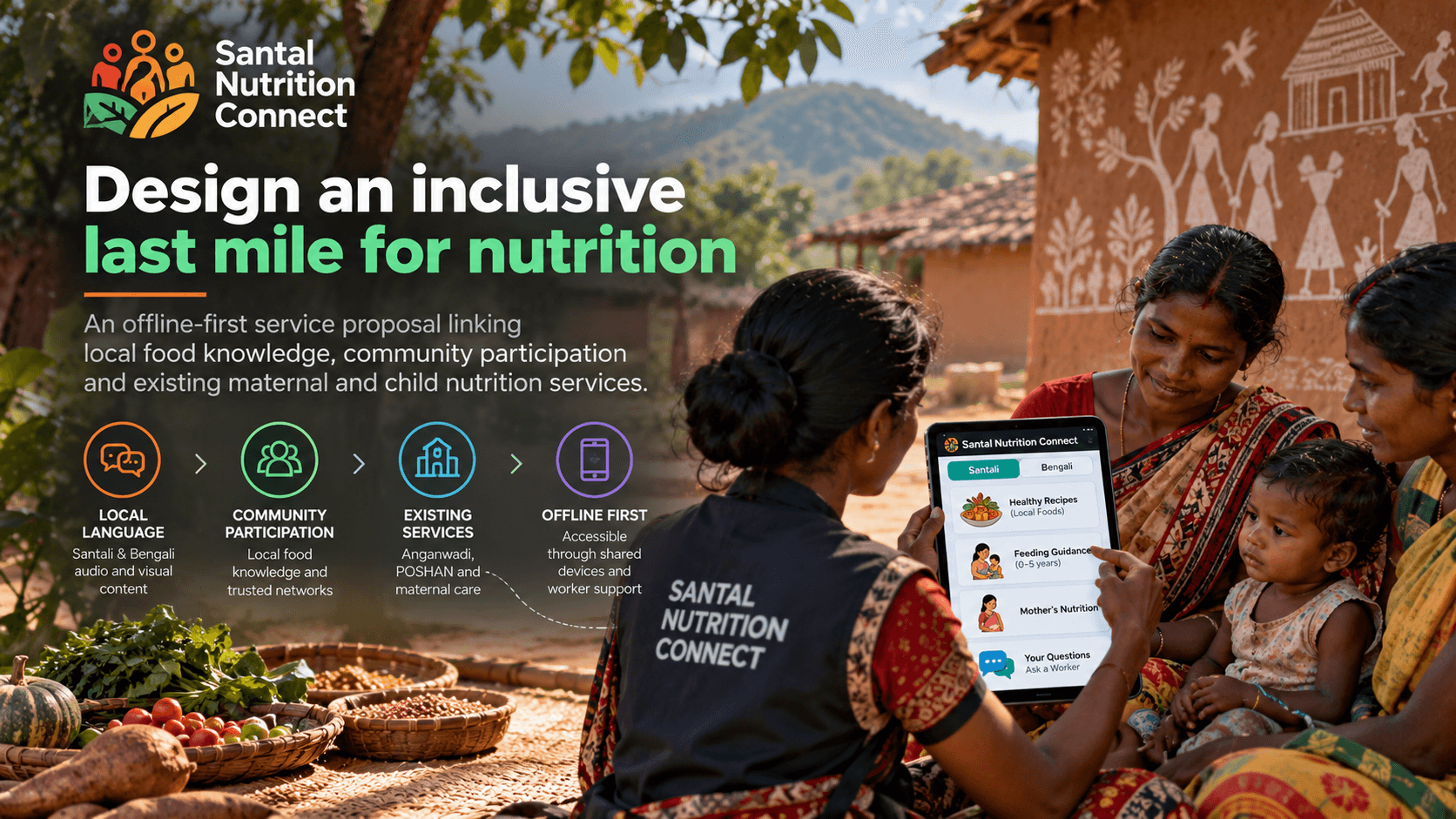
An offline-first service proposal linking local food knowledge, community participation and existing maternal and child nutrition services.
The recommendation
Useful nutrition technology must fit local language, food access and trusted community relationships.
Pilot an offline-first communication service through existing community workers, with Santali and Bengali audio, visual guidance and community-produced food knowledge. Establish a local mandate before building software. The proposal addresses a communication and service-linkage gap; its potential value depends on food affordability, health services and worker capacity. Measure comprehension, equitable reach and completed service connections first, then consider longer-term nutrition evaluation with qualified public-health partners.
Decision at stake
Seek a community-led feasibility partnership and validate the service model before funding an application or promising health impact.
The source examines maternal and child undernutrition using published Santal-community research and proposes a culturally responsive communication service that complements Anganwadi and POSHAN infrastructure.
Evidence and decision parameters
- Children in the published study
- 307
- Historical Birbhum sample aged 6–39 months; not research conducted for this proposal.
- Stunting in that study
- 51.9%
- Stiller et al. (2020), based on the study's measured sample; not a current district-wide estimate.
- Proposed access principle
- Offline first
- Shared and worker-assisted access would complement household devices and existing services.
Treat nutrition as a service-system challenge
Maternal and child nutrition is shaped by interacting causes: household resources, maternal health, child-feeding practices, dietary diversity, service access and communication. An information service can support practical decisions and follow-up, but it cannot create affordable food, diagnose anaemia or replace health care. The management question is where better communication could help an existing service work more effectively for households.
Stiller and colleagues' published Birbhum study reports substantial undernutrition in a sample of Santal children. Its findings justify careful attention, but they are historical and local. They should not be presented as current prevalence for every Santal community. The proposed feasibility stage would establish current needs, variation between villages and the service capacity available to respond.
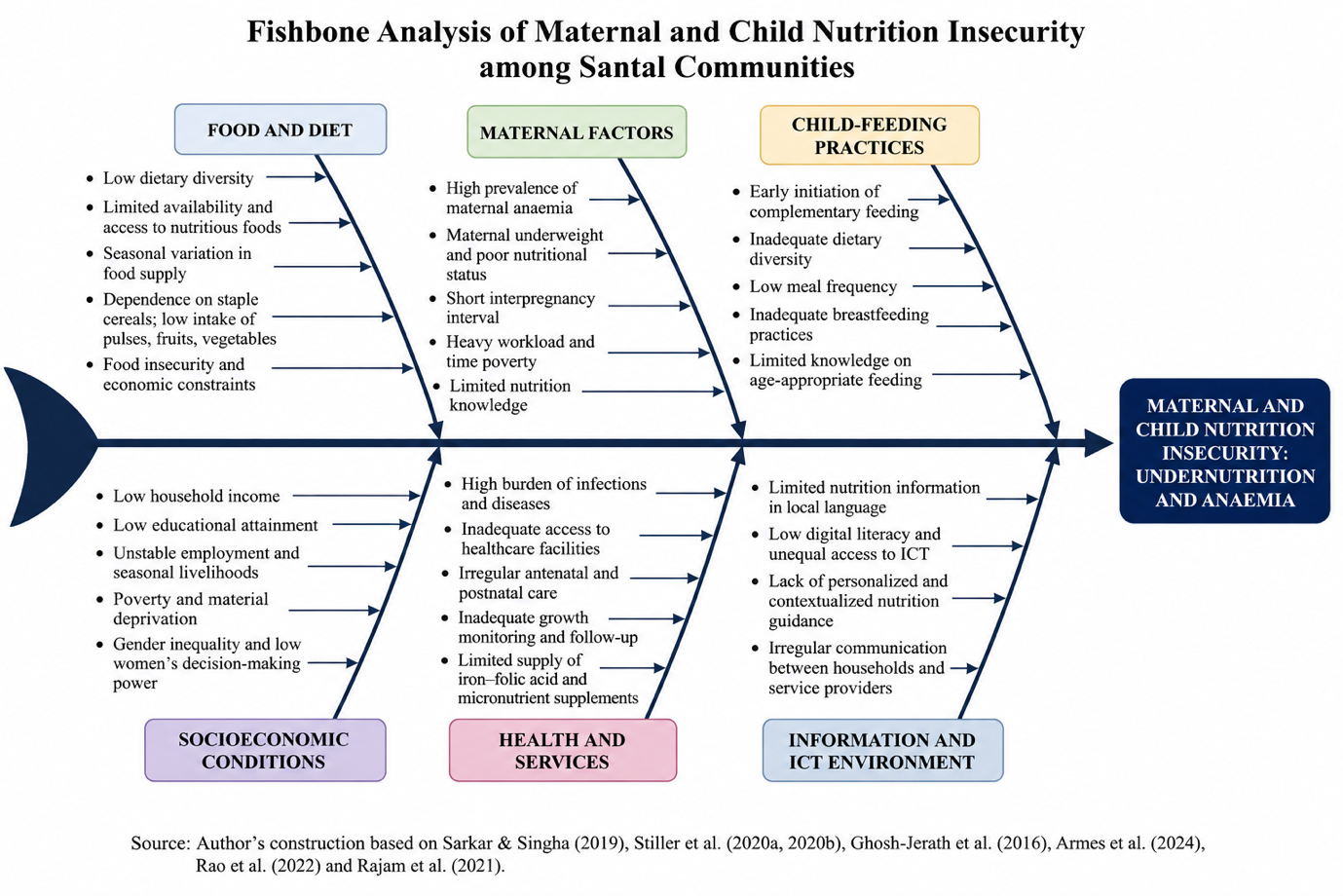
Figure 1. Nutrition insecurity spans the whole service system
The author's literature-based fishbone maps several interacting domains around nutrition insecurity. It shows why communication is only one potential contribution and why the proposed service must connect to food access, qualified care and existing support.
Interpretation: The diagram synthesises secondary research from particular settings and periods. It is not a current community baseline, a validated causal model or a clinical assessment; local partners would need to establish which factors are present and actionable.
Source: TCP_Individual Component.docx · Figure 1 · Author's construction from the nutrition and community research cited in the original report.
Complement the infrastructure already in place
Government documentation describes POSHAN Tracker as a service-monitoring and governance tool that digitises Anganwadi records. A parallel system for attendance or growth records would duplicate work and increase burden. Santal Nutrition Connect instead proposes understandable household communication, locally relevant food knowledge and two-way contact with existing workers, subject to local programme agreement.
The distinction matters operationally. Clinical measurements and referral decisions would stay with qualified workers and recognised services. The proposed tool would help explain approved messages, remind consenting households about activities and connect questions to a responsible person. Any necessary service record would remain in the authorised system; household-facing content would collect as little personal information as practical.
Let the community determine what is useful
The initial design combines downloadable audio and images, short Santali and Bengali explanations, worker-assisted demonstrations and locally reviewed food examples. Shared access would be available for households without a suitable device. Content would be checked for seasonal availability, affordability, cultural meaning and nutritional appropriateness. A recipe that requires inaccessible ingredients is an operational failure even if its message is clear.
Rao and colleagues' participatory filmmaking research provides relevant evidence for community-generated communication and the visibility of Indigenous knowledge. It does not prove the proposed Birbhum service will change diets. Local youth, caregivers, elders and workers would help decide which knowledge to record, how to represent it and what may be shared. Participation and consent would remain voluntary.
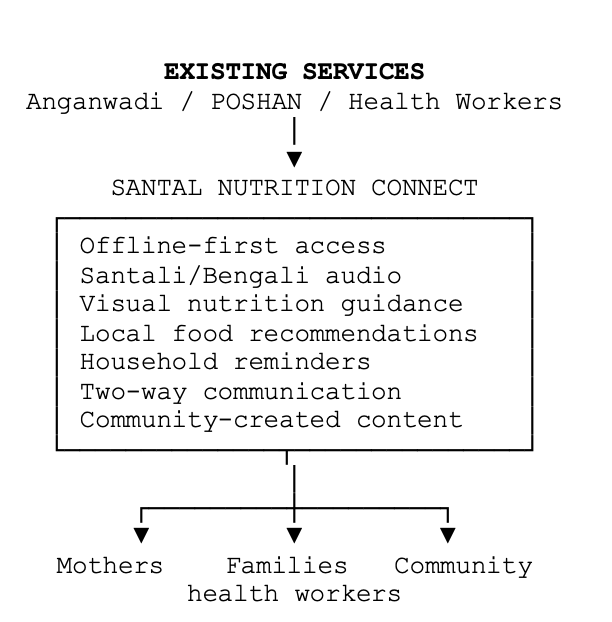
Figure 2. A proposed communication layer around existing services
The original concept places offline, multilingual communication between existing services and households. The revised proposal adds worker-assisted access, community control of content and explicit responsibility for reviewing and answering questions.
Interpretation: This is a proposed service architecture. No community partnership, software deployment or integration with government systems has been established. Content and any food guidance require qualified local review; the tool does not replace clinical care or authorised service records.
Source: TCP_Individual Component.docx · Figure 2 · Author's proposed ICT framework.
Choose a service model before choosing a platform
A smartphone-only application is easy to distribute digitally, but could miss households facing device, connectivity or literacy constraints. In-person communication alone supports trust while placing more demands on limited worker time. A hybrid model combines community sessions and worker support with reusable offline content, preserving human contact while allowing messages to be revisited.
The hybrid is the recommended test. Rogers' diffusion framework helps organise adoption questions: is there a visible advantage, does the service fit local practices, is it understandable, can households try it and can they observe useful effects? These are research questions rather than assumptions of acceptance. Worker time and continuity of content maintenance are as important as technical usability.
Measure service usefulness before claiming nutrition change
A feasibility pilot should measure who is reached, whether messages are understood, what questions remain and whether agreed service connections are completed. Examine participation by device access, language and household circumstances. Record additional worker minutes, unresolved questions, offline failures and reasons for non-use. Voluntary non-participation should not reduce access to existing nutrition services.
A later evaluation could examine dietary diversity or nutrition outcomes only with qualified partners, an appropriate comparison design and sufficient follow-up. Seasonality, food availability, illness and concurrent programmes complicate attribution. The programme budget should include community facilitation, compensation, translation review, training, equipment support and content renewal; downloads alone do not constitute a useful public-service investment case.
Strategic priorities
Secure local ownership
Form a proposed community and service steering group before development. Agree consent, content ownership, worker responsibilities and a route for complaints or withdrawal.
Prototype the communication layer
Test a small set of reviewed audio and visual messages through worker-assisted sessions and offline access. Avoid new clinical records or automated diagnosis.
Gate investment on equitable usefulness
Require understandable content, realistic food guidance, manageable worker burden and reliable service links before commissioning a larger platform or health-impact study.
Path to implementation
Proposed sequencing and decision gates.
Months 1–2 · proposed
Establish mandate and feasibility
A prospective community partner and programme sponsor convene caregivers, local representatives and Anganwadi workers to identify needs and existing workflows.
Decision gate: Continue only with voluntary local participation, programme agreement, a qualified nutrition reviewer and funded facilitation.
Months 3–4 · proposed
Test content and assisted access
Community contributors and a service-design team trial offline messages in a small, locally agreed set of villages. Workers log usability and follow-up burden.
Decision gate: Proceed when households understand the content, excluded groups have a practical access route and worker capacity is adequate.
Months 5–6 and beyond · proposed
Evaluate service links and continuity
A public-health evaluation partner reviews reach, comprehension, service completion and operating cost, then advises whether further study is justified.
Decision gate: Expand only with evidence of useful service delivery, maintained community consent and a funded support and content-renewal model.
Value and measurement
The completed academic output is a proposed service architecture and adoption rationale tied to SDG 2. Its intended contribution is more accessible nutrition communication and stronger links to existing support. No village pilot, community partnership, software deployment or reduction in malnutrition has been achieved or claimed.
Sources and scope
The proposal draws on secondary research from specific communities and periods. It includes no fieldwork, local consultation, current baseline or clinical evaluation. Participatory media evidence from another location cannot be directly generalised to Birbhum. Device access, language preferences, worker workload and service responsiveness must be established locally; nutrition advice requires qualified review.
Original independent proposal
APU Assignments.zip · Technology Culture & People_Assignment/TCP_Individual Component.docx. Santal Nutrition Connect concept and diffusion analysis.
- Stiller et al. · Birbhum child nutrition study (opens in a new tab)
2020 primary research underlying the historical sample and nutrition figures; accessible full text.
- Rao et al. · participatory nutrition films (opens in a new tab)
2022 primary study informing community-generated media; a different setting from the proposed Birbhum pilot.
- Government of India · POSHAN Tracker (opens in a new tab)
Primary description of existing governance and service-monitoring infrastructure.
- United Nations · Sustainable Development Goal 2 (opens in a new tab)
Primary framework for hunger, food security and nutrition targets.
Continue reading
Related case studies

Innovation strategy / Platform competition / Organisational design
Nokia: Fund the next business before the core stops paying
A retrospective innovation strategy translating Nokia’s smartphone transition into practical choices about protected investment, ecosystem readiness and evidence-led experimentation.
Retail operations / Profitability analytics / Inventory optimisation
Retail Operations Transformation & Profitability Optimisation
An end-to-end retail profitability diagnosis connecting store economics, assortment, inventory and a staged investment case across a simulated 20-store chain.
ERP investment / Operations transformation / Financial modelling
Meridian Precision Components: Make the ERP earn its place
A process-first manufacturing transformation strategy that tests an ERP investment against operational evidence, working-capital economics and production risk.