Product innovation / Consumer strategy / Change management
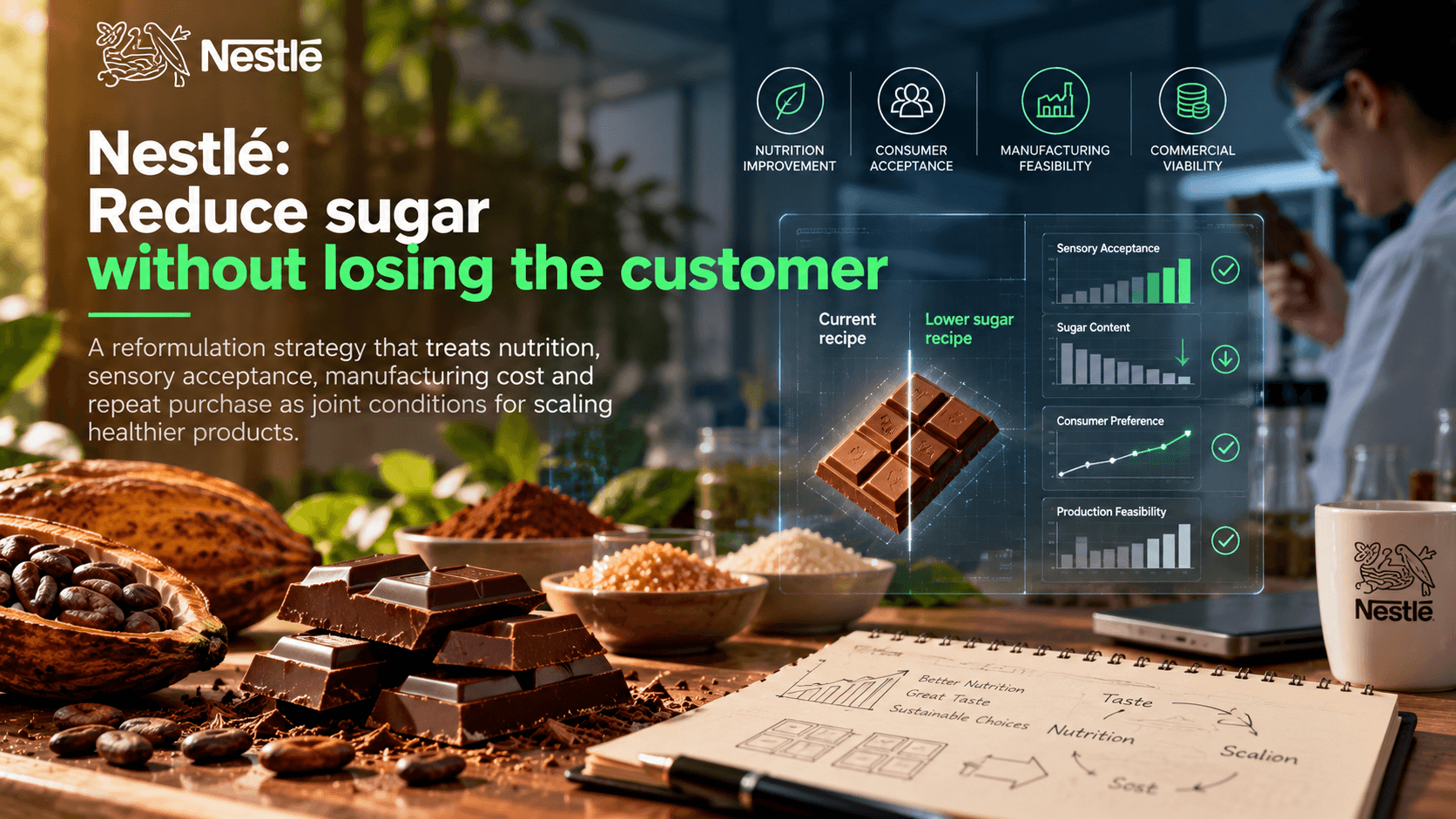
Nestlé: Reduce sugar without losing the customer
A reformulation strategy that treats nutrition, sensory acceptance, manufacturing cost and repeat purchase as joint conditions for scaling healthier products.
The recommendation
Nutrition improvement creates value when customers accept it and factories can deliver it consistently.
Healthier formulations must preserve the product experience, affordable economics and regulatory suitability. Gradual sugar reduction and AI-assisted formulation offer potential routes, but the technology choice should remain conditional. Start with one defined product and market, compare reformulation routes against a common baseline, and require sensory, manufacturing and commercial evidence before expansion. Treat AI as a tool to prioritise experiments; consumer acceptance remains something to measure. A cross-functional product owner should manage the trade-offs through a single decision process.
Decision at stake
Authorise a bounded reformulation pilot with agreed nutrition and consumer acceptance gates; select the ingredient and analytics approach after comparative testing.
An academic Managing Innovation & Creativity group case on healthier product reformulation. The report identifies group authorship without allocating individual sections. The proposed decision framework uses no company access or original consumer testing.
Evidence and decision parameters
- Assignment pilot hypothesis
- 5–10%
- The source proposes incremental sugar reduction per reformulation phase. This is an experimental starting point, not a proven tolerance range or achieved result.
- Proposed scale conditions
- 4 tests
- Nutritional improvement, consumer acceptance, operational feasibility and commercial viability must all be demonstrated.
- Proposed learning roadmap
- 12 months
- A sequenced programme adapted from the assignment’s resistance-management plan; the schedule requires product-specific validation.
Reframe reformulation as a portfolio decision
A lower sugar recipe can disappoint customers, increase ingredient costs or create production difficulties. A commercially successful recipe can also deliver too little nutritional improvement to justify its positioning. The central decision is therefore which combination of benefits and trade-offs is acceptable for a specific category, brand and market. Broad statements about health-conscious consumers do not establish willingness to buy a particular reformulated confectionery product.
Fishbone analysis and creative problem solving connect consumer behaviour, regulation and internal processes. Acceptance becomes a design requirement: the category team should define the customer experience, nutrition objective, cost envelope and compliance requirements before selecting a formulation route.
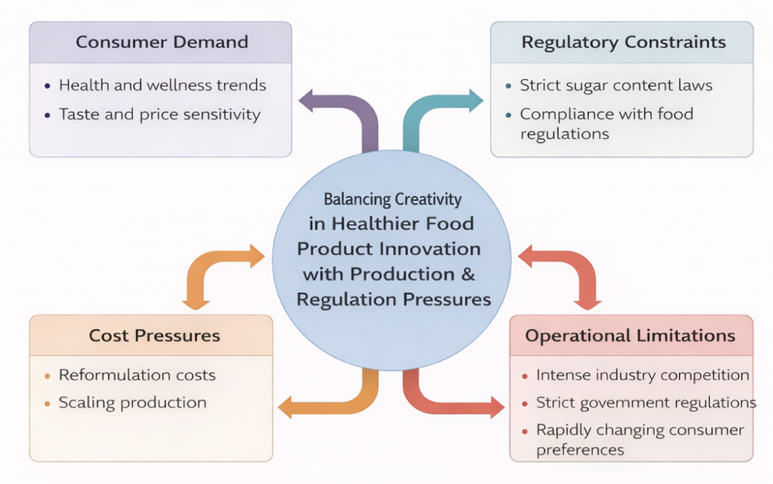
Figure 1. The pressures a reformulation decision must reconcile
The group report's original pressure map frames reformulation as a joint customer, compliance, cost and production decision. It provides questions for the pilot rather than evidence that any one constraint is binding.
Interpretation: This is a conceptual map. Its general regulatory labels require product- and market-specific review, and the operational box also includes external competitive pressures.
Source: Nestle_CPS_Report_Final.docx · Figure 2 · Authors' own representation in the academic group report.
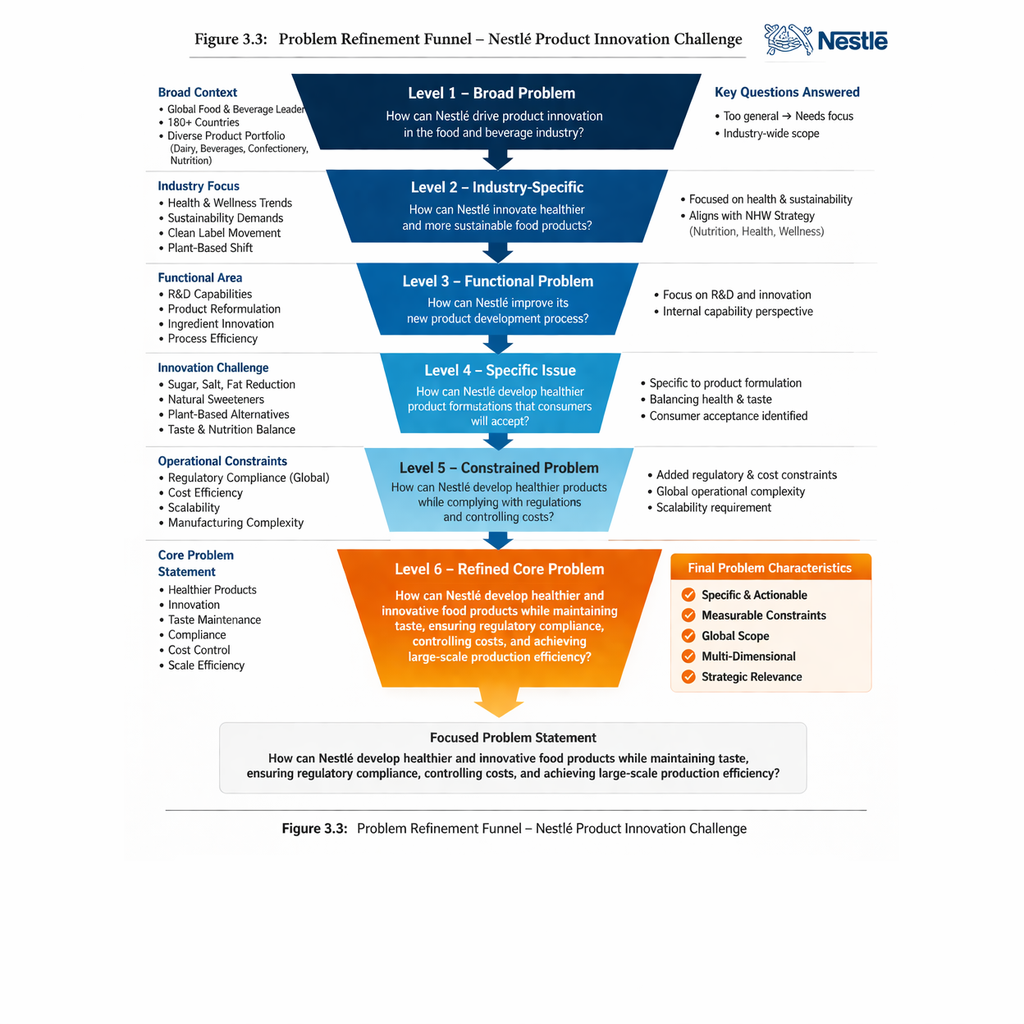
Figure 2. From a broad innovation ambition to a testable product question
The original problem funnel narrows a broad innovation ambition to a formulation decision with explicit trade-offs. The revised case takes the next step by limiting the proposed test to one product and market.
Interpretation: The funnel is an academic framing exercise, not a Nestlé-approved problem definition or an implemented company programme.
Source: Nestle_CPS_Report_Final.docx · Figure 3.3 · Authors' own representation in the academic group report.
Compare routes against what already exists
Sweetener blends and AI-assisted formulation are part of a broader option set. Nestlé’s July 2023 announcement describes enzymatic reduction of intrinsic sugars in selected ingredients, while its nutrition research article describes AI-assisted recipe development. These disclosures establish that relevant capabilities exist; they do not prove that either route will work for a particular confectionery pilot.
A proposed comparison would test gradual recipe adjustment, permitted sweetener or bulking combinations, and suitable processing technologies. Each should be assessed for taste, texture, stability, ingredient availability, line compatibility and fully loaded cost. High-intensity sweetening and fibre functionality are separate formulation requirements; replacing sweetness does not necessarily replace sugar’s structural properties. Ingredient suitability and claims require product-level evidence.
Balance speed, customer risk and learning
A broad immediate rollout offers faster portfolio coverage but exposes more brands to an untested taste change. A separate healthier sub-brand can limit disruption to a core recipe, but may fragment demand and require additional marketing expenditure. A staged change to a selected existing product provides a practical learning route when distribution, customer cohorts and manufacturing trials can be observed. It is the preferred initial option, subject to baseline data and category economics.
Initial qualitative screening can prioritise experiments, but cannot establish financial merit or predict consumer behaviour. The decision process must make trade-offs visible: a route that improves sensory acceptance but materially worsens cost or stability returns to development. A route that reduces sugar without enough nutritional improvement to support the intended proposition should also be reconsidered. Explicit thresholds make the investment decision more defensible than a general rating of attractiveness.
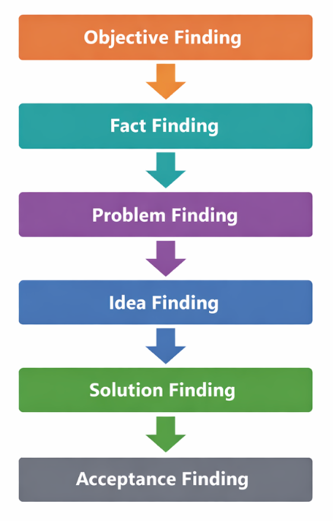
Figure 3. A six-stage process for developing and challenging the options
The source report uses six Creative Problem Solving stages to move from objectives and evidence to options, evaluation and acceptance. The sequence makes implementation and stakeholder adoption part of the decision process.
Interpretation: This documents the assignment's analytical method. Following the sequence alone does not validate a formulation, consumer preference or commercial result.
Source: Nestle_CPS_Report_Final.docx · Figure 3.1 · Academic report adaptation of Isaksen and Treffinger (2004).
Build a pilot that can change the decision
The proposed pilot begins with one market and a clearly specified product, chosen for measurable repeat purchase and an observable manufacturing process. Nutrition and regulatory specialists establish the permitted formulation and claims. R&D compares candidate recipes with the current product using blinded sensory assessment and stability testing. Operations then tests yield, waste and throughput. Any use of AI should be evaluated against measured formulation outcomes, including cases where predictions fail.
A limited market test should compare repeat purchase, complaints, price response and contribution margin against a baseline, adjusting for promotion and distribution differences. Pre-agreed stop rules help prevent favourable reinterpretation of weak results. This remains a proposed validation design rather than completed consumer research.
Give each function a shared definition of success
Resistance often reveals a valid operating concern. Marketing may question taste consistency, procurement may flag supply reliability, and factories may anticipate process losses. A proposed Healthy Reformulation Team should include these functions alongside nutrition, R&D and regulatory affairs, with a category sponsor authorised to resolve trade-offs. An issue register should record the concern, required evidence, owner and decision date rather than treating alignment as attendance at workshops.
Value measurement should combine sugar per standard serving and per 100 grams with consumption and sales context. Commercial measures should include repeat purchase and contribution after reformulation costs; manufacturing measures should include scrap, yield and complaints. A lower sugar figure alone does not establish better population health, stronger demand or profitable growth. The purpose of the scorecard is to prevent improvement in one dimension from concealing deterioration elsewhere.
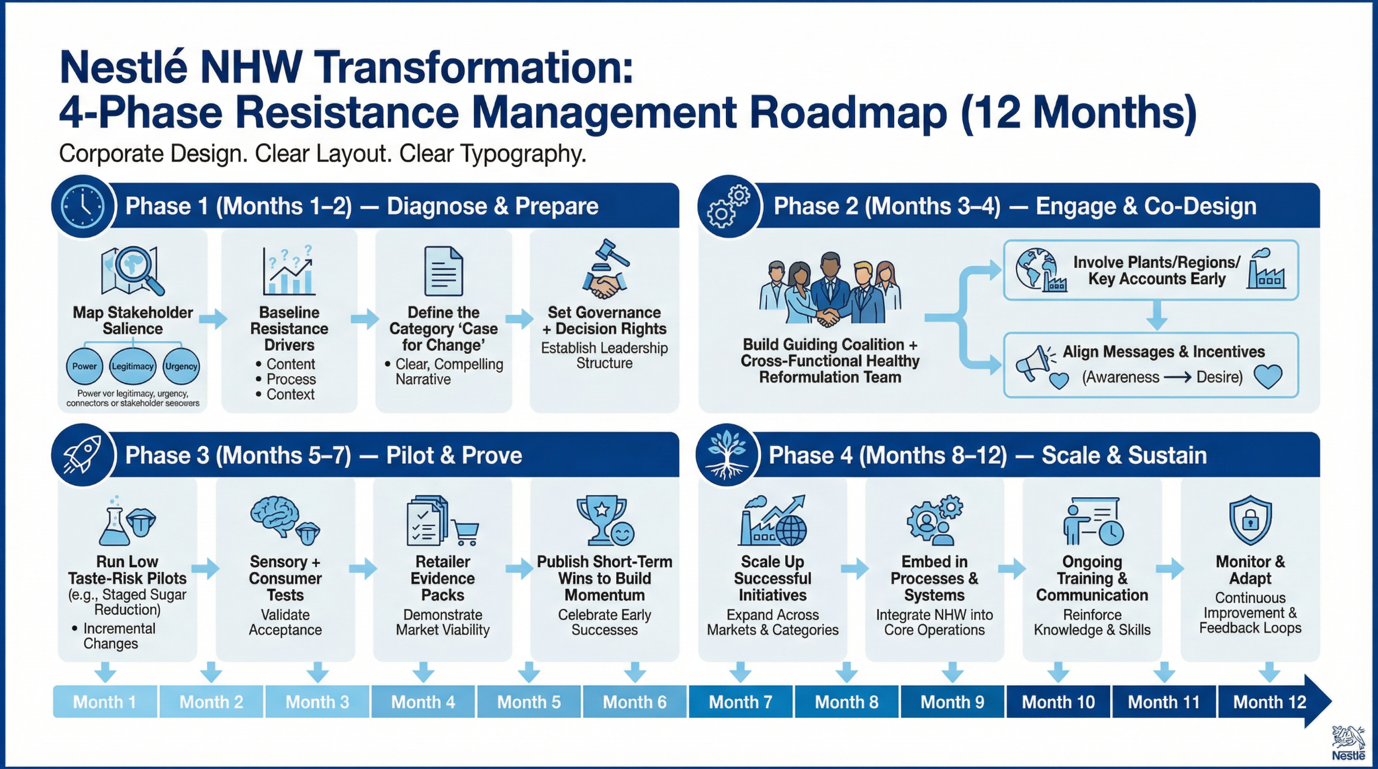
Figure 4. A proposed sequence for building acceptance
The original four-phase roadmap connects stakeholder diagnosis, cross-functional design, pilot evidence and reinforcement. It supplies the acceptance-management foundation for the revised case's proposed programme.
Interpretation: This is a proposed schedule, not evidence of company implementation. Read the phase windows as indicative; the article's updated investment gates control progression, and no scaling is warranted before nutrition, acceptance and commercial conditions are met.
Source: Nestle_CPS_Report_Final.docx · Figure 6.1 · Proposed academic group roadmap.
Supporting evidence
Additional charts and frameworks from the source study.
Figure 5. An initial hypothesis map of innovation constraints
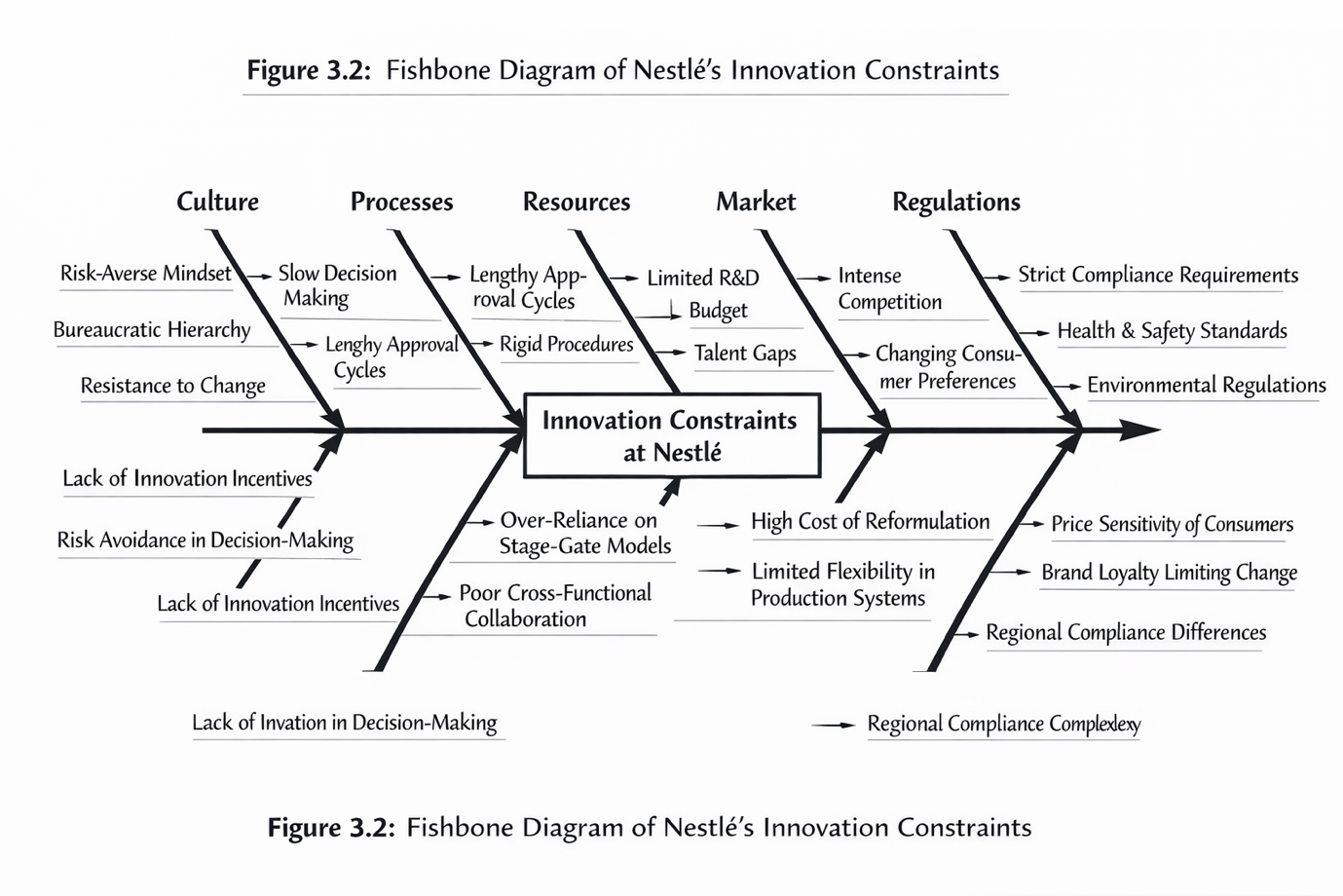
Figure 5. An initial hypothesis map of innovation constraints
The group's fishbone diagram records candidate explanations to investigate. A consulting diagnosis would test each material hypothesis against decision records, production evidence and customer research before prioritising action.
Interpretation: The labels about risk aversion, budgets, talent and collaboration are unvalidated academic hypotheses, not established facts about Nestlé's internal operations. The original image contains duplicated labels and imperfect category placement; it is retained as supporting working material.
Source: Nestle_CPS_Report_Final.docx · Figure 3.2 · Authors' own representation in the academic group report.
Strategic priorities
Choose a narrow starting point
The category sponsor should select a product-market combination with accessible baseline data, meaningful nutritional opportunity and a manageable manufacturing trial.
Validate formulations and predictions together
R&D should compare reformulation routes through blinded consumer and laboratory testing; validate any AI prediction against observed outcomes before relying on it for decisions.
Make scaling a joint decision
The product owner should require nutrition, regulatory, operations and commercial sign-off against thresholds agreed before testing, including a clear stop or redesign option.
Path to implementation
Proposed sequencing and decision gates.
Proposed · Months 1–2
Define the product decision
The category sponsor and cross-functional team establish recipe, consumer, cost and regulatory baselines and agree test criteria.
Decision gate: Approve a specific product-market pilot with a documented nutritional objective and measurable commercial hypothesis.
Proposed · Months 3–7
Compare recipes and prove manufacturability
R&D leads sensory and stability testing; operations and procurement validate production performance and supply continuity.
Decision gate: Proceed only with a compliant candidate meeting pre-agreed acceptance, stability and cost conditions.
Proposed · Months 8–12
Test commercial acceptance
Commercial and finance teams review a limited rollout against comparable baseline cohorts, accounting for promotional effects.
Decision gate: Expand only after repeat purchase, nutritional improvement and unit economics jointly support the next investment.
Value and measurement
The academic work produces a reformulation strategy, acceptance-management framework and proposed pilot controls. Improved nutrition, faster development and protected customer loyalty are intended benefits requiring validation; no product launch or measured sales impact is claimed.
Sources and scope
No recipes, consumer dataset, factory cost records or market-test results were supplied. The original sugar-reduction range is a hypothesis. Ingredient permissions and product claims vary by jurisdiction and need current regulatory review. The group report does not establish individual ownership of particular analyses.
Completed academic group report
APU archive: Managing Innovation & Creativity_Assignment/Nestle_CPS_Report_Final.docx. Group Assignment MCI.docx is guidance with illustrative examples, not a separate completed project.
- Nestlé sugar reduction technology · July 2023 (opens in a new tab)
Primary company announcement informing the comparison with enzymatic approaches; its product-specific claims are not treated as results of this proposal.
- Nestlé science and nutrition research (opens in a new tab)
Primary company description of AI-assisted recipe development and nutritional reformulation. This does not establish consumer acceptance for the proposed pilot.
- FAO / WHO Codex Alimentarius (opens in a new tab)
Primary source for international food standards context; country-specific approvals and claims still require separate assessment.
Continue reading
Related case studies

Statistical analysis / Investment prioritisation / Innovation ecosystems
Prioritise business capability in the innovation investment agenda
A cross-country statistical case that turns innovation indicators into a cautious investment agenda, with explicit separation of association and policy impact.

Energy transition / Capital allocation / Innovation governance
PETRONAS: Make the energy transition investable
A capital allocation and operating model proposal that connects PETRONAS’ existing Gentari platform with disciplined investment decisions and a credible talent transition.

Innovation strategy / Platform competition / Organisational design
Nokia: Fund the next business before the core stops paying
A retrospective innovation strategy translating Nokia’s smartphone transition into practical choices about protected investment, ecosystem readiness and evidence-led experimentation.